You’re halfway through a ride when a car passes a little too close, or you drop into a technical trail section you’ve been waiting all week to ride. Moments like these explain why so many cyclists are asking what is the best cycling camera. It’s no longer just about recording scenery—it’s about safety, clarity, and convenience without fiddling with gear mid-ride. With action cameras now shooting crisp 4K and 360-degree cameras capturing every angle at once, the bar has moved fast. Below, we’ll break down what actually matters on the bike and why newer options like the Insta360 X5 are reshaping how cyclists document their rides.
What to Look for in the Best Cycling Camera
Video Quality and Field of View
When something happens on the road or trail, details matter. Cameras that shoot at least 4K resolution give you enough clarity to zoom in on a license plate, trail feature, or passing vehicle without the image falling apart.
Field of view is the other half of the equation. A tight lens may deliver sharp footage but miss what’s happening beside or behind you. Ultra-wide lenses—or better yet, 360-degree coverage—capture the full context, which is why many riders focused on road safety lean toward wider views.
Stabilization and Low-Light Performance
Bikes vibrate. A lot. Without solid stabilization, even smooth pavement can turn footage into a jittery mess. Modern electronic stabilization absorbs those vibrations and keeps the video watchable, whether you’re rolling over chipseal or rattling down a gravel descent.
Lighting is just as critical. Early-morning commutes and evening rides expose weak sensors quickly. Cameras with larger sensors and effective noise reduction hold detail better at dawn and dusk, a key trait for anyone looking for the best cycling camera for commuting.
Battery Life and Weather Resistance
No one wants a camera that shuts off an hour into a two-hour ride. Look for at least 90 minutes of continuous recording, plus the option to swap batteries or plug into a power bank for longer days.
Weather protection isn’t optional. Rain showers, road spray, and dust are part of regular riding. An IP-rated, weather-sealed camera keeps working when conditions turn messy.
Types of Cycling Cameras Explained
Traditional Action Cameras
GoPro-style action cameras remain popular for good reason. They’re compact, lightweight, and deliver excellent image quality in a straightforward package. Mount one on the bars or helmet, point it forward, and hit record.
The trade-off is coverage. A fixed lens only records what it’s aimed at, which can be limiting when comparing an action camera vs 360 camera for cycling, especially in unpredictable traffic.
360-Degree Cameras for Cycling
A 360 camera for cycling removes the guesswork. You mount it once and ride, knowing every direction is being recorded simultaneously. There’s no need to decide angles on the fly.
Cameras like the Insta360 X5 let you reframe footage later, pulling forward, rear, or side angles from a single ride. One recording can become a safety clip, a training video, or social content.
Dash and Safety-Focused Bike Cameras
Some cycling cameras are built almost exclusively for incident recording. They run continuously and automatically save footage when they detect sudden movement or impact.
As the best bike camera for accidents, they do the job well. Creative angles and cinematic footage, however, aren’t their strong suit.
Why 360 Cameras Are Changing Cycling Footage
Capture Everything Without Repositioning
The biggest appeal of 360 cameras is how little attention they require. There’s no stopping to adjust mounts or worrying about blind spots. In traffic-heavy cities or twisty trails, that simplicity matters.
Post-Ride Reframing and Editing Flexibility
Once the ride is over, you decide what the footage shows. You can pull a forward-facing clip to review positioning, then switch to a side angle to document a close pass—all from the same file.
This kind of flexibility explains why more riders are choosing a 360 camera for cycling instead of juggling multiple devices.
Improved Safety and Situational Awareness
There’s a certain confidence that comes from knowing everything around you is on record. If something goes wrong, 360 footage provides context that a single lens simply can’t.
For cyclists focused on the best cycling camera for road safety, that complete view can outweigh any learning curve.
Best Cycling Camera Options Compared
Insta360 X5 for Versatile Cycling Use
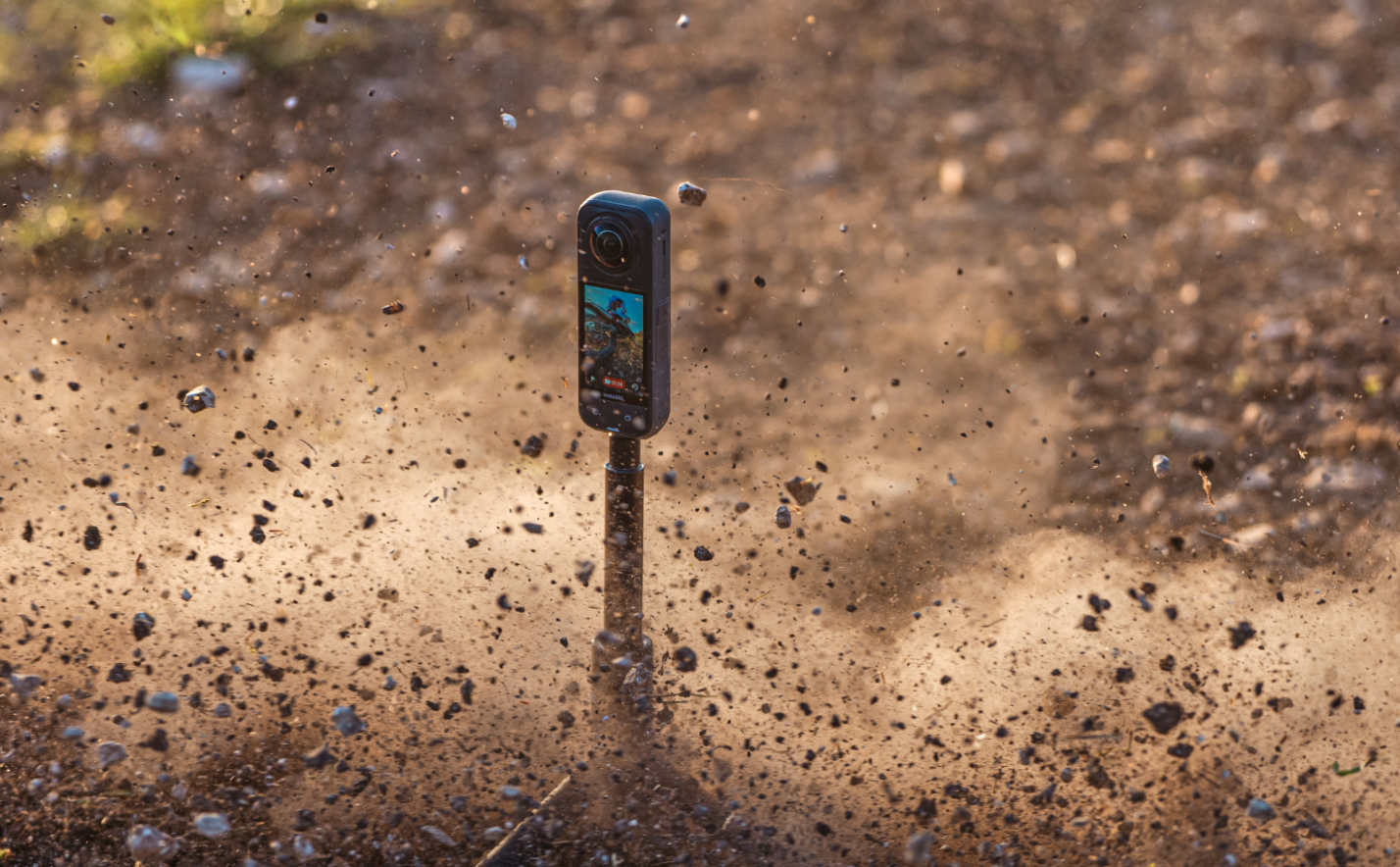
The Insta360 X5 earns attention for combining high-resolution 360 capture with strong stabilization and mounting options that work well on bikes. It fits commuters, long-distance riders, and content creators without feeling overbuilt.
In nearly every Insta360 X5 cycling review, the same point comes up: it can replace two or three cameras with one. Less setup, less editing hassle, and fewer mounts cluttering the bike.
Action Camera Alternatives
Traditional action cameras still make sense for riders who want simplicity and excellent forward-facing footage. They’re lighter, familiar, and often easier on the budget.
When weighed against a 360 option, though, the lack of rear and side coverage is the clear drawback.
Which Camera Fits Your Riding Style?
Daily commuters and riders focused on documentation tend to benefit from safety-oriented or 360 cameras. Trail riders and vloggers may care more about raw image quality and frame rates.
The best cycling camera is the one that matches how you ride and what you want to capture—whether that’s peace of mind or a story worth sharing.
Mounting and Setup Tips for Cyclists
Helmet, Handlebar, and Seatpost Mounts
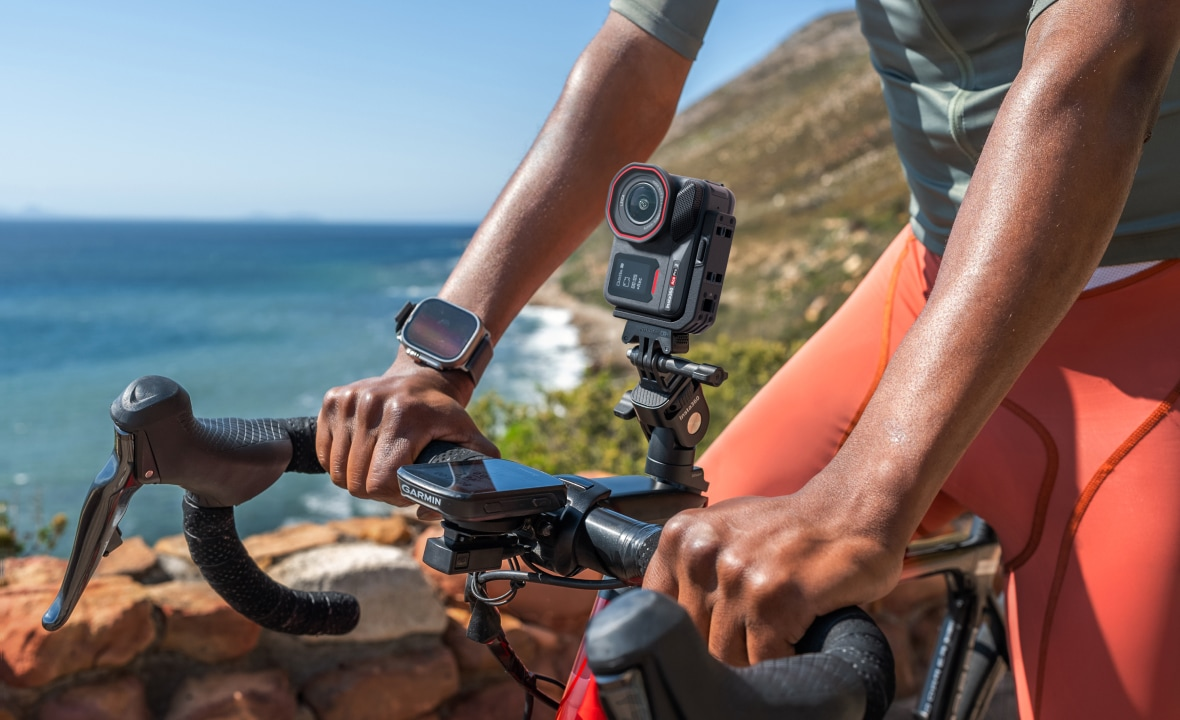
Where you mount the camera changes both the footage and the ride feel. A helmet mounted cycling camera delivers a true rider’s-eye view, but it can feel heavy over long distances.
Handlebar mounts offer stability and easy access, while seatpost mounts excel at rear coverage. Most riders test a few positions before settling on what feels right.
Optimal Settings for Road vs Trail Riding
On the road, stabilization and a wide field of view help capture interactions with traffic. Trails benefit from higher frame rates, which handle quick direction changes and rough terrain better.
Tuning your settings to the environment makes a noticeable difference in footage quality.
Conclusion
Answering what is the best cycling camera starts with clarity about how you ride and what you want recorded. Video quality, stabilization, mounting options, and safety coverage all play a role. 360-degree cameras like the Insta360 X5 are pushing expectations by capturing everything at once and letting you choose the angle later. If versatility, safety, and creative control matter to you, the next step is simple: decide your priorities, compare real-world footage, and pick the camera that fits your rides—not just your bike.
FAQs
What is the best cycling camera for safety?
A camera with a wide field of view and reliable continuous recording is ideal. Many cyclists choose 360 cameras because they capture front, rear, and side activity in one file.
Are 360 cameras better than GoPro-style cameras for cycling?
For overall awareness and flexibility, often yes. Action cameras shine straight ahead, while 360 cameras reduce the chance of missing critical moments.
Is the Insta360 X5 good for long bike rides?
Yes. With smart battery management and support for external power, it works well on longer rides. Its stabilization and weather resistance also hold up across conditions.
Where should you mount a cycling camera?
Helmet, handlebar, and seatpost mounts are most common. The best spot depends on whether you want a rider’s-eye perspective, maximum stability, or rear-facing coverage.