
Introduction
Many iPhone users struggle with deteriorating battery performance over time. As usage intensifies, the battery’s capacity dwindles, leading to inadequate power during the day. So, if you’re pondering whether you can change your iPhone battery yourself or need professional intervention, you’re not alone. This comprehensive guide will take you through the necessary steps, offer insights into costs, and share tips on maintaining your iPhone’s battery health.
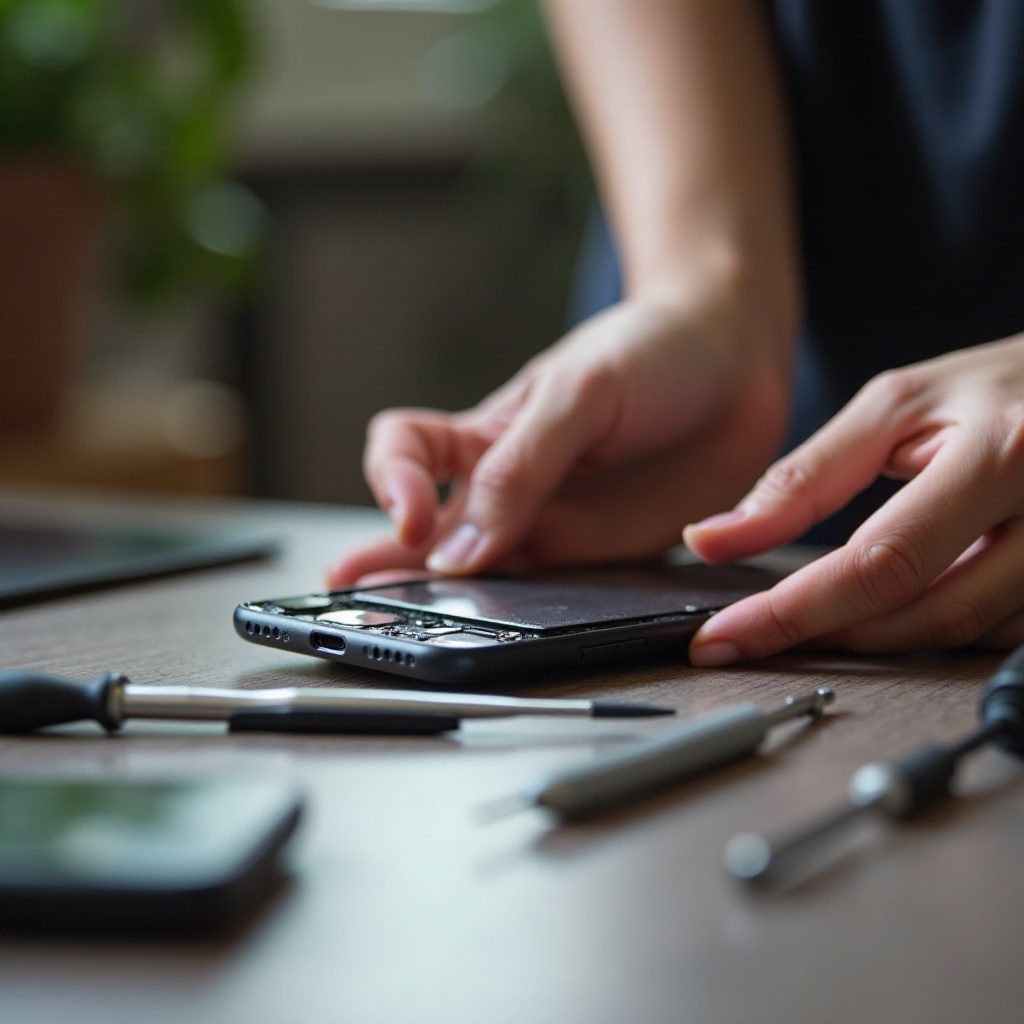
Understanding iPhone Battery Health
Apple’s iPhone batteries are designed for longevity, yet each cycle of charging reduces their capacity. Understanding battery health is crucial to making informed decisions about potential replacement.
Signs Your iPhone Battery Needs Replacement
- Your smartphone unexpectedly shuts down despite showing battery life.
- Battery percentage displays erratically, and charging takes longer.
- Your device becomes warm during regular use or charges.
How Apple Manages Battery Performance
Apple employs advanced software to manage battery health, providing users with tools to track battery status and performance. Regular iOS updates often include enhancements to battery management, allowing users to maximize their battery’s life span. Use the ‘Battery Health’ feature in settings to gain insights into current performance.
Recognizing these factors helps you decide whether to replace your battery and which method to choose.

DIY iPhone Battery Replacement: Is It Possible?
Many tech-savvy individuals consider replacing their iPhone battery themselves to save costs. If you choose this path, understand the involved risks and gather the necessary tools.
Tools Required for Battery Replacement
- Precision screwdrivers to open your device carefully.
- Plastic tools to safely remove and replace the battery.
- A replacement battery compatible with your model.
- A suction cup to detach the screen with ease.
With these tools prepared, you can proceed cautiously with battery replacement.
Step-by-Step Battery Replacement Process
- Turn off your iPhone and ensure it’s discharged.
- Remove screws near the charging port with precision tools.
- Use a suction cup to separate the display gently, revealing internal components.
- Carefully disconnect the battery connector and remove the old battery.
- Install the new battery, secure connections, and reassemble your device.
Exercise great caution to avoid component damage, ensuring a smooth DIY process.
Professional Battery Replacement Services
For those unsure about DIY replacements, professional services can be an effective alternative. They offer efficiency and peace of mind.
Apple Store vs. Third-Party Repair Shops
Authorized Apple Stores ensure high-quality service using genuine parts, aligning with warranty policies. Conversely, third-party shops might offer lower prices, with varying reliability and quality.
Cost Analysis and Warranty Considerations
Apple charges for battery services once the warranty lapses, albeit ensuring quality. Third-party prices can be competitive but check for any potential impact on warranties. Evaluating both aspects enables better decision-making.
Transitioning between DIY and professional means weighing cost, time, and the risk of service quality.
Factors to Consider Before Replacing Your iPhone Battery
Your iPhone’s model and the complexity of its design may influence the replacement decision. Weighing these aspects aids in selecting the most appropriate solution.
Device Model and Complexity
Different iPhone models present unique challenges during battery replacement. Research your model thoroughly to decide if a DIY replacement is feasible or if professional help is preferable.
Risk of Damage and Safety Concerns
Replacing batteries independently can damage internal components if done incorrectly. Evaluate your skills objectively, employing professionals if needed to safeguard your device.
Proper consideration of these elements ensures a sensible decision.
Maintaining Your iPhone Battery Post-Replacement
After installing a new battery, adopting maintenance habits is vital to prolong its effectiveness. Effective post-replacement care ensures sustained performance.
Best Practices for Battery Longevity
- Avoid exposing your device to excessive heat that may degrade the battery.
- Use original or certified chargers to prevent overcharging or other electrical issues.
- Keep your iOS updated to benefit from the latest battery performance optimizations.
Software Tools for Battery Management
Leverage applications that assess and optimize battery health, such as Battery Life Doctor, to avoid unnecessary discharge and monitor daily usage.
Implementing these strategies enhances battery health and device efficiency.

Conclusion
Determining whether to perform a battery replacement yourself or enlist professional services hinges on your confidence, skills, and financial situation. With this detailed guide, you can make an informed choice ensuring sustained performance for your iPhone.
Frequently Asked Questions
Is replacing my iPhone battery worth it?
Replacing the battery restores performance and is worthwhile if you intend to keep using the device for a long time.
How long does a battery replacement take?
DIY replacements may take an hour, while professional service duration varies from an hour to several days based on workload.
Can I use third-party batteries in my iPhone?
Third-party batteries can be used, but they may affect performance and void warranties if not verified authentic.