Introduction
Facing the inconvenience of a PS4 controller not charging can abruptly pause your gaming adventures. Whether it’s in the heat of an intense game or just during relaxation time, these troubles are hard to ignore. This guide explores the reasons behind such issues and provides effective solutions for uninterrupted gaming.
Understanding the PS4 Controller Charging System
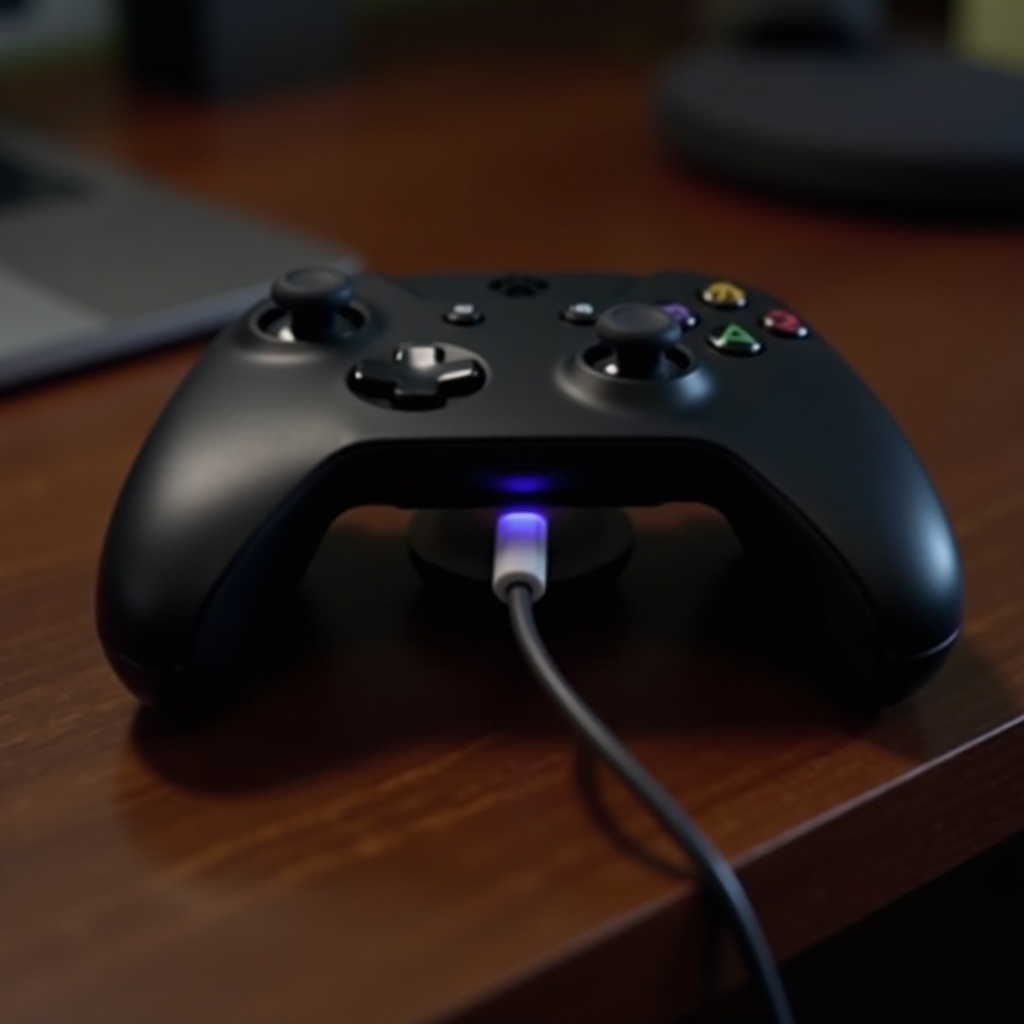
The PS4 controller’s charging system is straightforward but can encounter hiccups. The controller charges via a USB cable connected either to the console or an appropriate power source. Issues typically arise from poor connectivity, faulty cables, or power discrepancies. Grasping these elements is essential for diagnosing why your device may not charge properly.
Initial Diagnostic Steps
Starting with the basics can save time and effort. Here is what to consider:
- Assess Your USB Cable and Port: Inspect the USB cable for any visible damage. Test another cable to eliminate defects. Ensure the USB port is clear of obstructions and dust.
- Examine Power Source Integrity: Try alternative power sources, like other USB sockets on your console or a compatible wall charger to rule out power issues.
- Physical Check of the Controller: Look for damage or debris in the controller’s charging port that may cause connectivity problems.
Moving forward, if these steps do not resolve your charging issues, it might be time to consider more in-depth troubleshooting methods.
Advanced Troubleshooting Techniques
If the basic checks don’t help, deeper techniques might be necessary:
- Resetting the PS4 Controller: Use a small tool to press the reset button on the controller’s rear, which can fix software glitches affecting charging.
- Testing with Different Devices and Cables: Charge your controller from a different device or USB port, such as a computer, to confirm if the issue is with the console or the controller.
- Evaluate Internal Battery Health: Over time, a battery can lose its capacity. Consider replacing the battery if the controller is older and shows signs of low retention.
After exploring these options, it’s crucial to explore further alternatives before deciding on professional repairs or replacement devices.
Exploring Alternative Charging Solutions
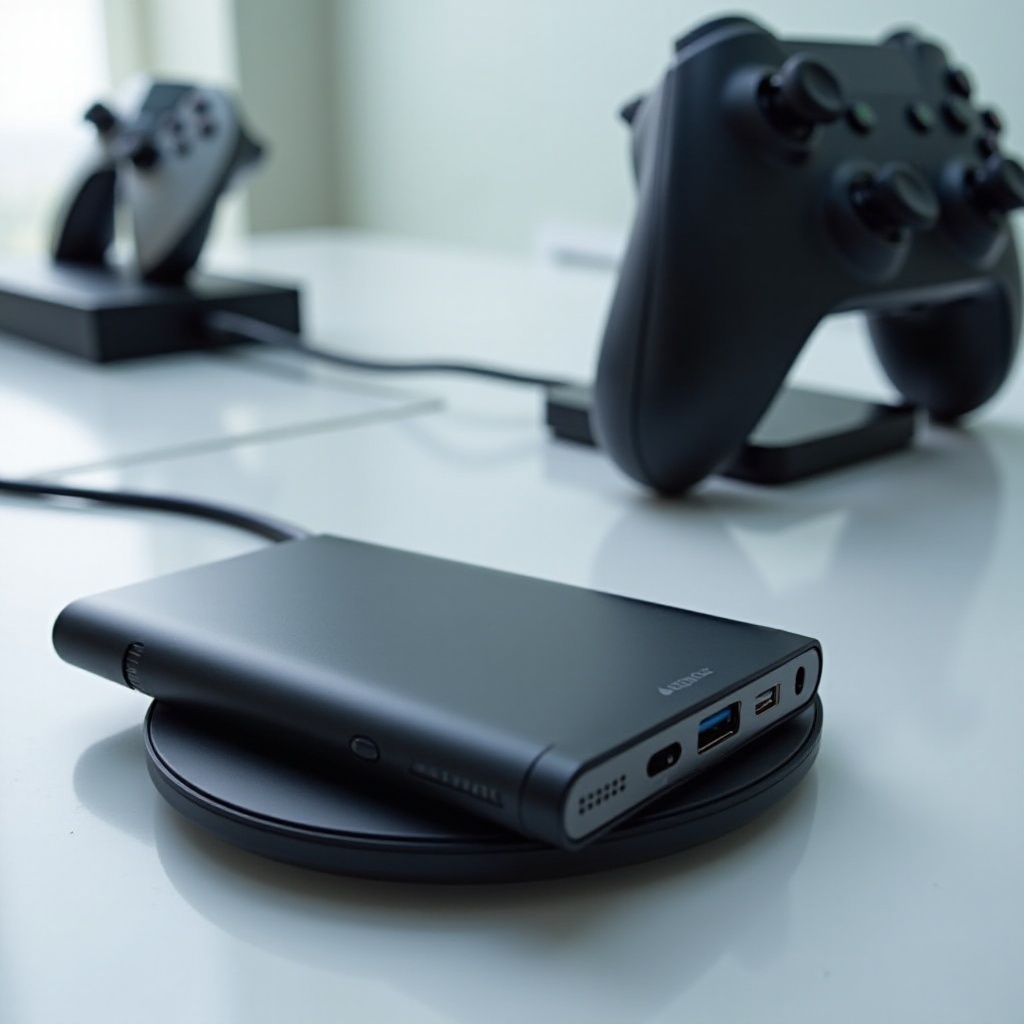
Using a charging dock could provide a steadier charging experience than cables, eliminating any faulty cable or port issues. Additionally, charging from a computer might help you test if the original power source was problematic.
Preventive Maintenance Practices
To avoid future charging issues, here are preventive tips:
- Regularly clean both the controller and console’s charging ports.
- Use high-quality, compatible USB cables.
- Avoid overcharging, which can drain battery life.
Implementing regular maintenance tips can help ensure your controller remains in top shape and extend its operational life.
When to Consider Professional Repair or Replacement
When persistent charging problems prevail, it may be time to seek professional help. Consider this option if you notice signs like overheating or a totally unresponsive controller. A careful comparison of the repair and replacement costs will assist you in making a financially sound decision.
Conclusion
Addressing PS4 controller charging issues as soon as they arise ensures you can continue enjoying your gaming sessions without disturbance. With guidance from this comprehensive guide, you can effectively handle these issues and maintain your device for years to come.
Frequently Asked Questions
Why is my PS4 controller battery dying so quickly?
Your controller’s battery may degrade over time. Avoid excessive charging and charge fully before unplugging for optimal results.
Can I charge my PS4 controller with my phone charger?
Yes, as long as the charger provides an output that matches the controller’s requirements. Always check for voltage and amperage compatibility.
How long should a PS4 controller battery last after charging?
Typically, a fully charged PS4 controller lasts between 4 to 8 hours, depending on use. Intense haptic feedback can reduce this time.