You’re halfway down a blue run, light snow falling, legs burning, and the view is unreal. That’s the moment most riders wish they’d captured properly. If you’re trying to recommend a good cam for snowboarding, the challenge usually comes down to three things: clear video in blinding snow, reliability in sub-zero temps, and a setup that doesn’t distract you mid-run. Not every action camera can handle that mix. Below is a practical breakdown of what actually matters on the mountain—and why the Insta360 X5 has become a go-to choice for many snowboarders.
What to Look for in a Snowboarding Camera
Snowboarding is tough on gear. Cold drains batteries, snow messes with exposure, and constant vibration punishes weak stabilization. A camera built for casual travel videos won’t cut it here.
Cold Resistance and Battery Performance
Freezing temperatures can cut battery life in half, sometimes more. Some cameras shut down entirely once they dip below zero. If you’re comparing options for cold-weather riding, prioritize models with batteries designed to tolerate winter conditions and efficient power management. Practical features matter too. Quick battery swaps and the ability to carry spares in a chest pocket—where body heat keeps them warm—can mean the difference between filming one run or a full day.
Stabilization for Rough Terrain
Hardpack chatter, edge changes, small drops—snowboarding is rarely smooth. Weak stabilization turns all that motion into jittery footage no one wants to watch. An action camera with best stabilization for snow will smooth out landings and vibrations so clips look intentional, not accidental. Modern electronic stabilization has reached a point where gimbals are unnecessary, which is a big win when you’re riding lifts and hiking features.
Video Quality and Field of View
Resolution matters once you start cropping, reframing, or posting to larger screens. A wide or ultra-wide field of view also helps convey speed and scale—two things snowboarding footage lives or dies by. That’s a big reason more riders are turning toward a 360 camera for snowboarding videos, where you capture everything first and decide on framing later.
Why the Insta360 X5 Fits Snowboarding Needs
The Insta360 X5 has built a solid reputation among winter riders because it solves common on-mountain frustrations instead of adding new ones. Its design prioritizes flexibility without forcing you to manage complicated setups while wearing gloves.
360 Capture for Hands-Free Riding
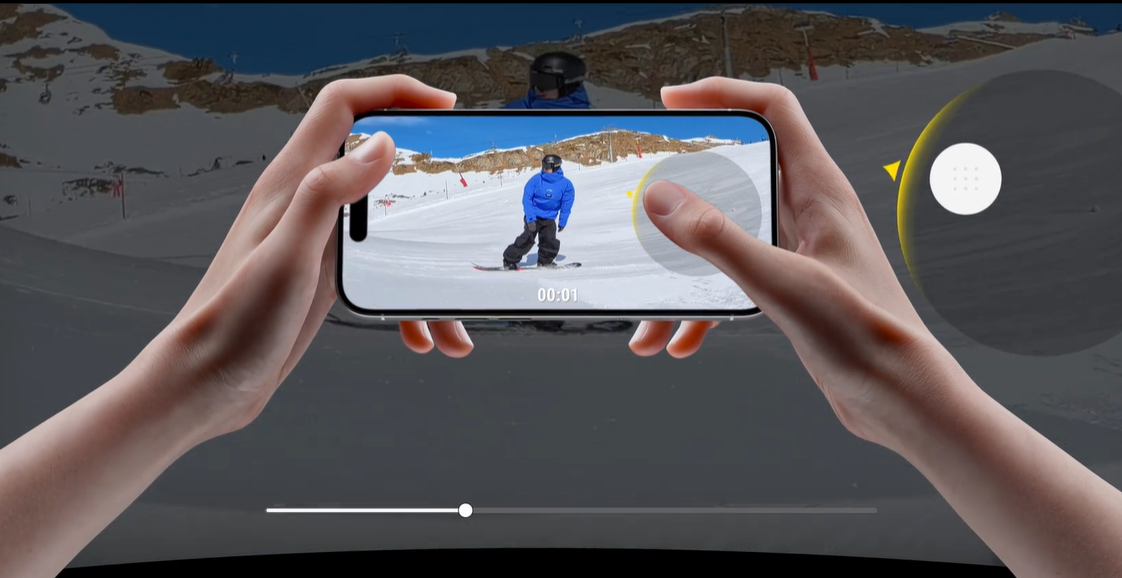
The standout feature is full 360-degree capture. You ride first, think about angles later. For anyone setting up a hands free snowboarding camera, this means no missed tricks, no clipped landings, and no constant checking to see if the lens is pointed correctly. This is especially useful in parks and freeride terrain, where your focus should stay on speed, balance, and takeoffs—not camera orientation.
FlowState Stabilization on Snow
FlowState stabilization is one of the X5’s strongest assets. It actively counters bumps, rotations, and abrupt movements, producing footage that looks surprisingly composed even after rough landings. That performance is why the camera frequently comes up when riders discuss an action camera with best stabilization for snow, especially for those who want clean clips straight out of the camera.
Durability and Weather Protection
Snow, ice, and the occasional crash are unavoidable. The Insta360 X5 is built to handle cold, moisture, and everyday impacts without feeling fragile. For riders who spend time off groomed runs or hike into sidecountry zones, that durability matters. Detailed specs and design features are available on the official Insta360 X5 product page.
Mounting and Shooting Tips for Snowboarders
Even a great camera can disappoint if it’s mounted poorly or set up incorrectly. A few smart choices go a long way.
Helmet, Chest, and Pole Mounting Options
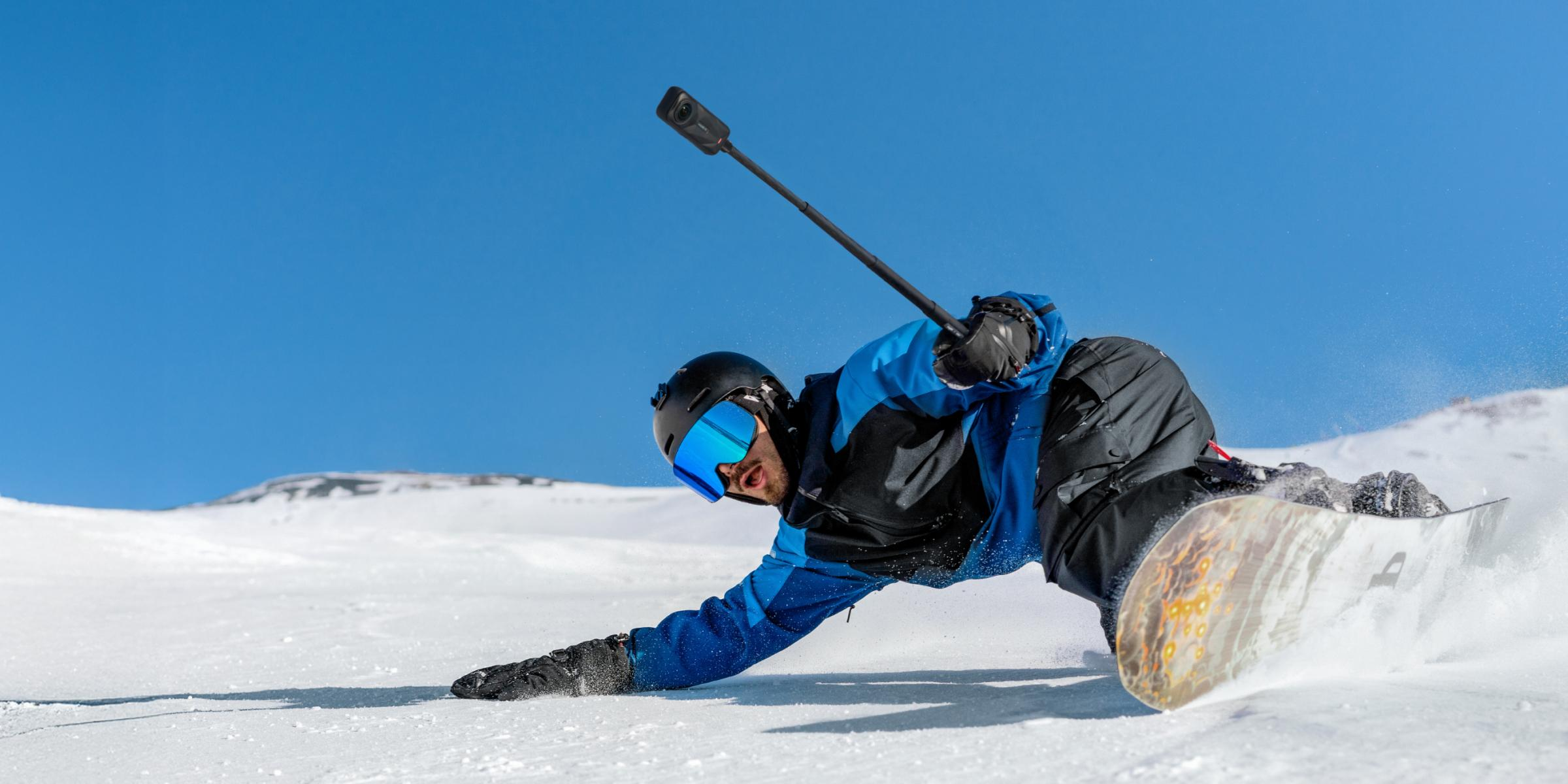
A helmet mounted camera for snowboarding gives a natural rider’s-eye view and works well for technical runs. Chest mounts sit lower, emphasizing speed and terrain texture. With 360 cameras, invisible selfie poles unlock third-person angles that look like a follow-cam without needing another rider. Switching mounts between days—or even runs—helps you figure out what best matches how you ride.
Best Camera Angles for Park and Powder
In the park, slightly elevated angles make grabs and rotations easier to read. On deep powder days, wide views highlight snow spray and depth, which sells the feeling of the run. A 360 camera shines here because you can adapt angles afterward if the day evolves from groomers to fresh snow.
Settings for Bright Snow Conditions
Snow acts like a giant reflector, often blowing out highlights. Dialing down exposure compensation and using HDR or log profiles helps retain texture in both snow and sky. Since gloves make tiny buttons frustrating, cameras with larger controls or voice commands are far easier to manage. If you want to go deeper on technique, this guide to filming snow sports covers real-world adjustments that actually work on the mountain.
Insta360 X5 vs Other Action Cameras
Traditional action cameras still deliver excellent quality, but 360 cameras have changed what’s possible without extra effort.
360 Camera vs Traditional Action Cam
Standard action cams demand constant attention to framing. Miss the angle, miss the shot. A 360 camera captures everything around you, which drastically reduces those lost moments and opens up creative editing options later. Side-by-side breakdowns like this 360 cameras vs action cameras comparison show why many riders are willing to trade a bit of learning time for that flexibility.
Who Should Choose the Insta360 X5
The Insta360 X5 makes sense for snowboarders who want smooth footage, creative perspectives, and minimal on-hill hassle. It’s especially appealing if you’d rather not juggle multiple mounts or worry about aiming a lens mid-run. If you’ve been reading an Insta360 X5 snowboarding review and debating whether it fits your style, ask yourself how much you value freedom in editing versus the simplicity of a fixed-angle camera.
Conclusion
A camera shouldn’t pull your attention away from riding—it should quietly capture the experience. When you recommend a good cam for snowboarding, focus on cold-ready batteries, reliable stabilization, and shooting flexibility that matches how and where you ride. The Insta360 X5 checks those boxes with 360 capture, winter-friendly performance, and creative control after the fact. If you want footage that does justice to your days on the mountain, the next step is simple: dial in your mount, set your exposure, and start riding.
FAQs
Is a 360 camera good for snowboarding beginners?
Yes. Because framing isn’t critical while riding, beginners can focus on balance and control while still capturing usable footage.
How does cold weather affect action cameras?
Cold drains batteries faster and can cause shutdowns. Using winter-rated batteries and keeping spares warm significantly improves reliability.
Can the Insta360 X5 be used with gloves on?
Yes. It’s designed for winter conditions, with controls and app options that are easier to manage with gloves than many compact cameras.
What accessories are useful for snowboarding footage?
Helmet mounts, chest harnesses, invisible selfie poles, spare batteries, and lens protection are the most commonly used accessories on the slopes.